
September 24, 2026
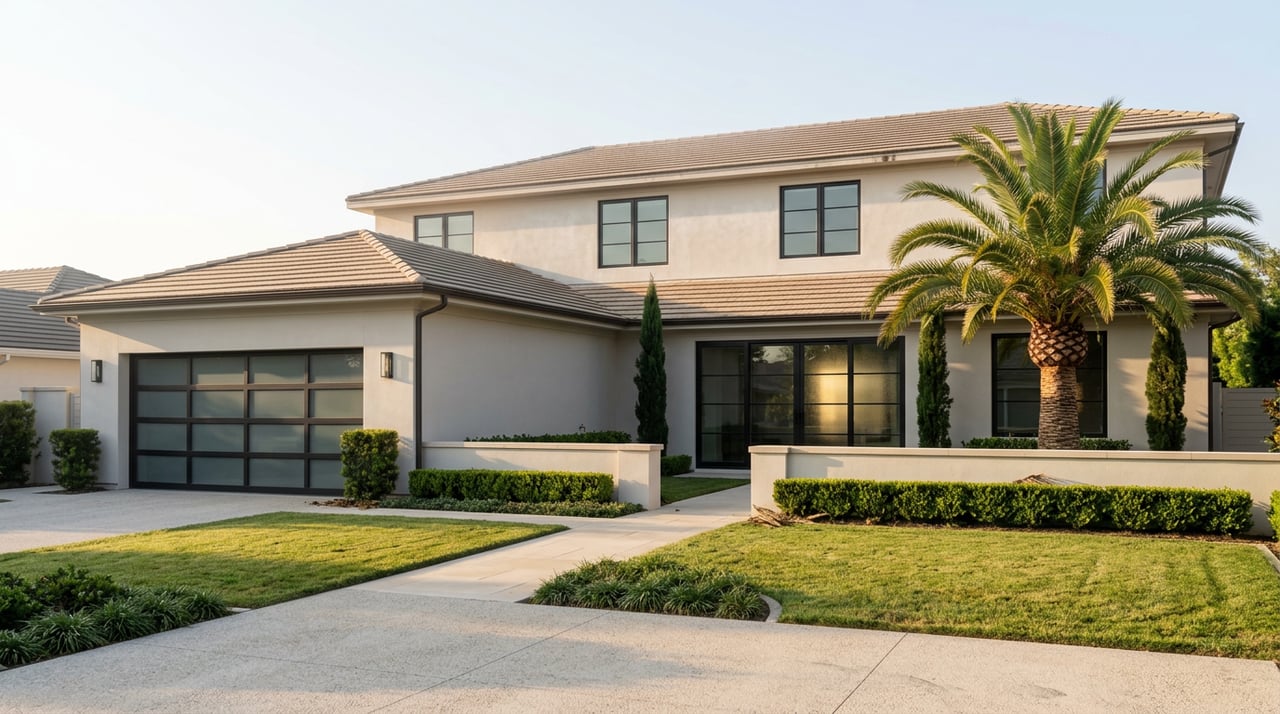
Two homes can sit less than a mile apart, share the same architect's era, the same pool-and-glass-wall floor plan, the same buyer pool of entertainment executives and international cash buyers. Sell one for $7.4 million and the seller might write a check to the City of Los Angeles for nearly $300,000 at closing. Sell the identical home a few streets over, inside Beverly Hills city limits, and that same seller pays a few thousand dollars. Same market, same price, same day on the calendar. The only variable that matters is which side of an invisible municipal line the house sits on.
That line is not a metaphor. It runs through actual streets in Bel Air and Brentwood, and it is the reason Beverly Hills has quietly become one of the more interesting places on the Westside to watch right now, not because of a new restaurant or a school ranking, but because of a tax most buyers have never heard of until they're already in escrow.
In November 2022, Los Angeles voters approved Measure ULA, a transfer tax on real estate sales inside the City of Los Angeles above certain price thresholds. The thresholds adjust every July 1 for inflation, and the current figures, effective for closings after June 30, 2026, are $5,400,000 and $10,900,000, according to the Los Angeles Office of Finance. Cross the lower line and the seller owes 4 percent of the entire sale price. Cross the higher line and the rate jumps to 5.5 percent, still calculated on the full price, not just the portion above the threshold.
That last detail is the part that catches people off guard. This is not a marginal tax bracket. It behaves like a cliff. A home that sells for $5,399,000 owes nothing extra. The identical home sold for $5,401,000 owes 4 percent of the whole $5,401,000, which is more than $216,000.
None of that applies inside Beverly Hills. Beverly Hills is its own incorporated city, separate from Los Angeles, and Measure ULA only reaches property within LA's city limits. A Beverly Hills seller pays the standard Los Angeles County documentary transfer tax of $1.10 per $1,000 of value, which works out to 0.11 percent, regardless of whether the home sells for $2 million or $20 million.
Here is what that gap looks like in real dollars at a few price points that come up often in Westside listings:
| Sale Price | ULA Tax Owed (City of LA) | Total Transfer Tax Owed (Beverly Hills) |
|---|---|---|
| $5,400,000 | $216,000 | $5,940 |
| $7,400,000 | $296,000 | $8,140 |
| $10,900,000 | $599,500 | $11,990 |
| $12,000,000 | $660,000 | $13,200 |
Those City of LA figures are the ULA tax alone, on top of the standard base transfer tax every sale pays. In Beverly Hills, the number in the right column is the entire bill.
The tricky part is that the boundary does not track neatly with the neighborhoods people actually mean when they say "Beverly Hills adjacent." Portions of Bel Air sit inside the City of Los Angeles. Other portions sit in unincorporated Los Angeles County. Brentwood is largely inside the city, which means most Brentwood sales are subject to ULA, but parcels near the edge with Pacific Palisades can fall outside it. A street address that reads "Beverly Hills" in casual conversation is not the same as a parcel that sits within the incorporated city of Beverly Hills.
This is not a hypothetical problem. Real estate professionals working the Westside luxury tier have described buyers who went under contract on a property near $7 million in Brentwood without realizing it sat inside City of LA boundaries, only to have the title company confirm it during escrow and surface a six-figure ULA obligation that nobody had priced into the deal. Whoever bears that cost, seller or negotiated buyer credit, it is not the kind of number you want to discover for the first time at the title company's desk.
The only reliable way to know which side of the line a property sits on is to check the Los Angeles County Assessor's parcel map or ask a title company directly, not the ZIP code, not the neighborhood name on the listing, and not the ".org" the school district uses. The LA County Registrar-Recorder's office publishes the underlying transfer tax rules, and any title company handling a Westside closing should confirm jurisdiction before a purchase agreement is signed, not after.
The interesting part of this story is not the tax code. It is what the tax has done to behavior on both sides of the line.
UCLA research found that Measure ULA reduced the likelihood of a Los Angeles property selling for more than $5 million by roughly 55 percent since the tax took effect. That is not a small nudge. Sellers inside city limits have become more reluctant to list above the threshold, and buyers have grown warier of properties that will need a six-figure explanation at closing. The tax was aimed at funding affordable housing, and Los Angeles has collected more than $1 billion toward that goal, but the reported side effect is a chill on exactly the kind of high-value transaction that keeps a luxury market liquid.
Beverly Hills sits just outside that chill, and agents working the city have started saying so out loud to prospective sellers and buyers. A recent example: a 1960 midcentury ranch home on Loma Vista Drive, designed by architect Martin Berman, sold in 2023 for about $5.5 million after its seller cut the price to move quickly. The buyer, restaurateur David Cooley, held the home for a little over three years before relisting it in 2026 near $7.4 million through Nourmand & Associates. The relisting agent pointed to Beverly Hills' lack of a mansion tax as one of the reasons buyers are moving quickly on turnkey homes in the city right now, alongside a wave of Westside residents who relocated east of the 405 after the 2025 Los Angeles wildfires and have stayed rather than returning.
None of that means Beverly Hills is immune to broader market conditions. It means the tax gap has become one more reason, alongside schools, walkability, and dedicated city services, that buyers weighing Beverly Hills against a comparable home a few blocks into the City of LA are doing the math on more than just square footage.
If you already own inside Beverly Hills, the exemption does not require any action on your part. It shows up automatically at closing as a smaller line item than a comparable Los Angeles sale would carry. But it is worth understanding for two practical reasons.
First, it is a real competitive advantage when you are pricing against City of LA comps. A buyer comparing your $7 million Beverly Hills listing to a similar $7 million home a few streets away inside LA city limits is looking at a nearly $300,000 difference in what the seller on the other property has to absorb, which can show up in that seller's flexibility on price and terms. Knowing that going into a listing conversation is useful.
Second, if you are searching across the Westside rather than committed to Beverly Hills specifically, the exemption is one more variable worth pricing into your comparison, alongside the Beverly Hills market itself, before you fall in love with a specific street.
Team Mike & Tasha can walk through the jurisdiction question on a specific parcel and model what a sale actually nets after transfer taxes, whichever side of the line the property sits on. That kind of net-proceeds clarity belongs in the conversation before a listing goes live, not after an offer is already on the table. Our seller's guide covers the broader pricing and marketing process this fits into.
Does the exemption apply to condos, or only single-family estates? It applies to any residential sale inside Beverly Hills regardless of property type or price. The county's 0.11 percent documentary transfer tax is the same rate whether the sale is a condo or a hillside estate.
Could this change? Measure ULA itself remains politically contested. A statewide ballot proposal backed by the Howard Jarvis Taxpayers Association that would cap local transfer taxes appeared headed for the November 2026 ballot as of this spring, though later reporting suggested transfer tax provisions may have been left out of the compromise measure lawmakers ultimately advanced. Beverly Hills' status as a separately incorporated city, and its resulting exemption from a Los Angeles ordinance, is not something on that ballot either way. Anyone weighing a sale near either threshold should confirm the current rules with their title company and CPA before setting a list price, since figures like this are reviewed and adjusted over time.
Do I need a lawyer to confirm which side of the line my home is on? Usually not. A title company can typically confirm jurisdiction with a single parcel lookup through the county assessor's records, and it is worth doing before signing anything, not after.
If you are weighing a sale in Beverly Hills, or comparing it against a property just across the line, Team Mike & Tasha can pull the parcel history and model your actual net proceeds before you commit to a list price. Get your free home valuation and we will walk through exactly what your address is worth, and what it owes, before you go to market.
Stay up to date on the latest real estate trends.
We pride ourselves in providing personalized solutions that bring our clients closer to their dream properties and enhance their long-term wealth. We look forward to helping you find the home of your dreams. Please don't hesitate to call or email us today.