

March 5, 2026
Upsizing in Diamond Bar but not sure how to list for speed and strong offers? You’re not alone. When you already own a home, timing, prep, and pricing all have to work together so you can move once and protect your net. In this guide, you’ll learn when to list, which upgrades pay off, how to price with confidence, and what closing costs to expect. Let’s dive in.
Diamond Bar’s median sale price has hovered around $995,000 to $1.1 million in recent months. For example, one major aggregator reported a median near $1,050,000 in January 2026. Days on market often ranges from about 30 to 75 days, depending on the month and neighborhood. Pricing and prep should reflect your specific tract and recent closed comps.
Neighborhoods perform differently. Higher-end enclaves can trade well above the city median, while other areas cluster near it. Owner-occupancy is high locally, and many buyers seek homes that feel move-in ready with comfortable outdoor space. You can review local household and housing characteristics in the U.S. Census QuickFacts for Diamond Bar to understand the area’s ownership profile and income levels. See Census QuickFacts: Diamond Bar for a snapshot.
Many households plan moves between school years to minimize disruption. Walnut Valley Unified typically runs on an early August start through late May or mid-June schedule. Check the current district calendar to fine-tune your dates at the Walnut Valley Unified calendar page.
Spring usually brings stronger buyer activity and faster sales nationally, with momentum peaking in late spring. Listing in March through mid-April often sets you up for a June or July move after a typical 30 to 45 day escrow. Review national seasonality insights in Zillow’s guide to the best time to sell, then align with your local MLS pulse for the year.
Focus on projects that reduce buyer friction and boost the feeling of move-in readiness. The 2025 Cost vs Value benchmarks remain a helpful north star.
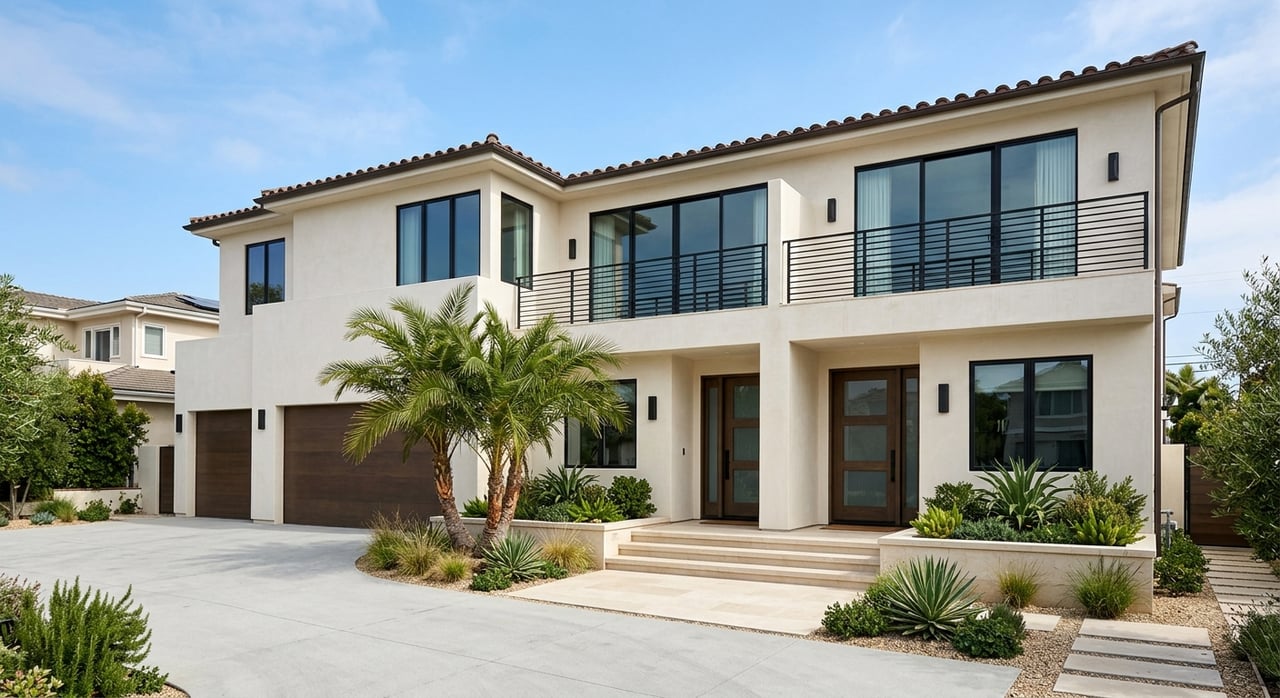
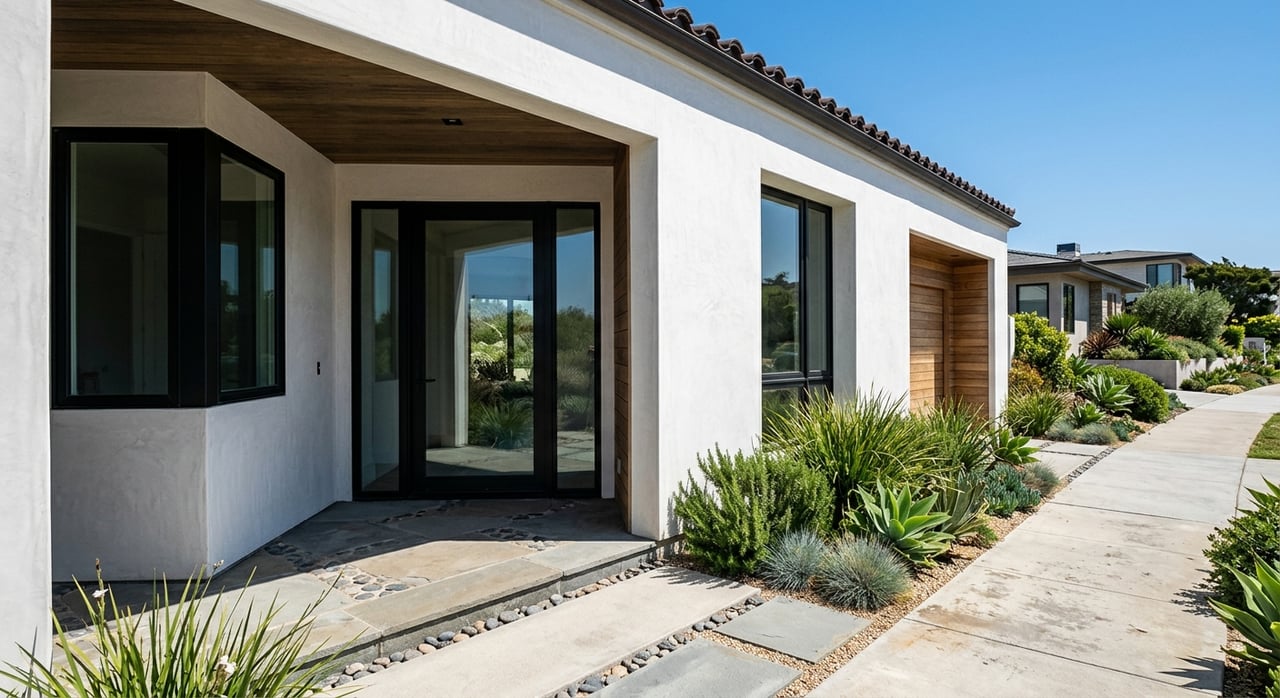
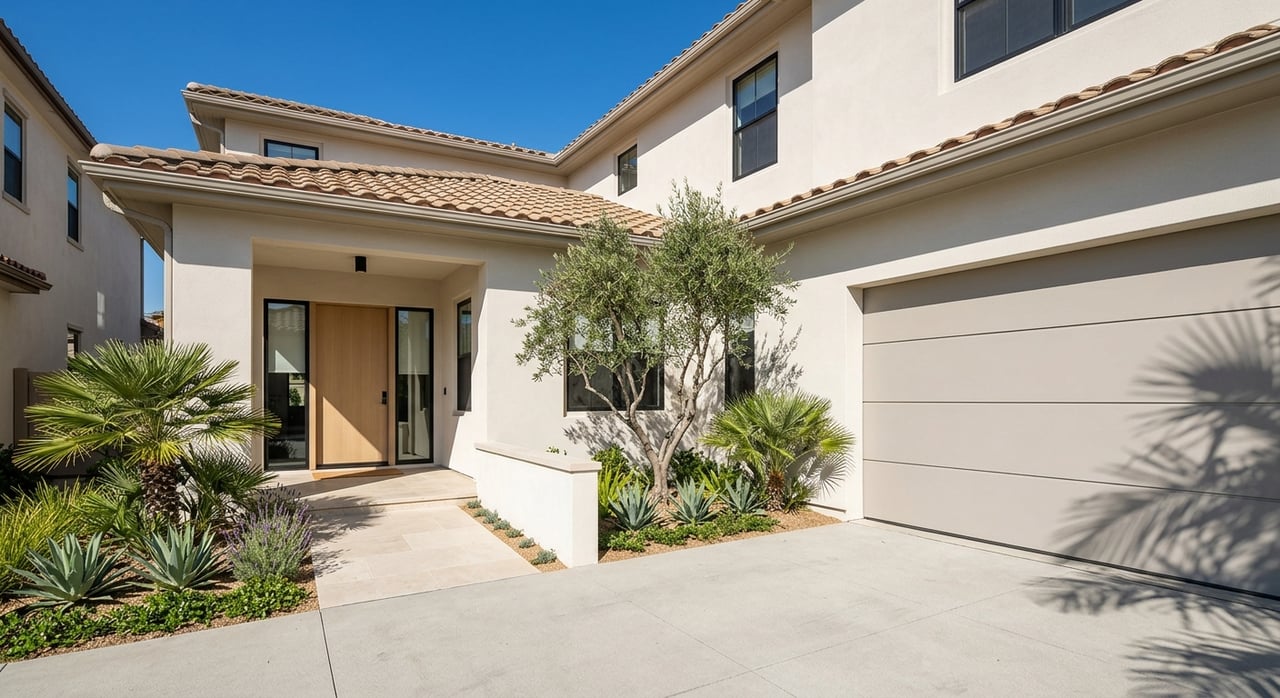
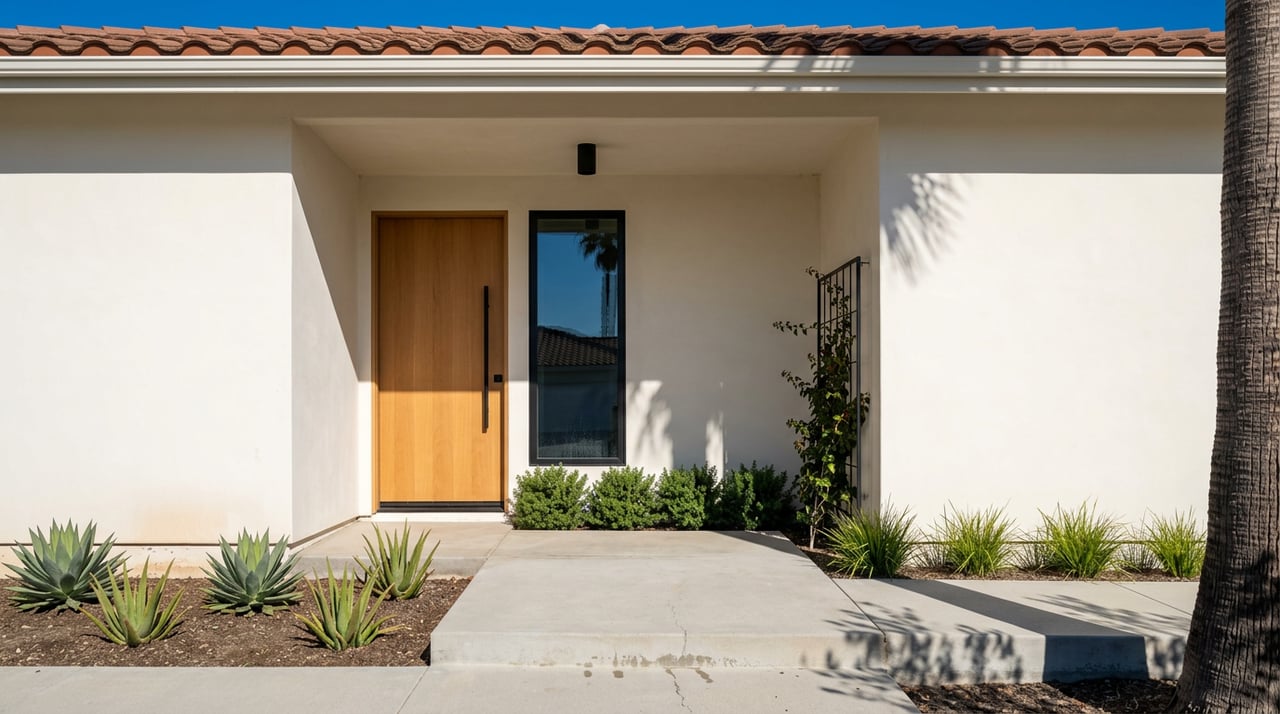
Fresh landscaping, power washing, new house numbers, and an updated entry or garage door can punch above their cost. Exterior projects like a garage or entry door often top recoup charts in Cost vs Value studies. See the 2025 summary insights on Cost vs Value ROI.
A whole-home touch-up in light neutrals, decluttering, and removing personal items boost online appeal and showings. If you stage only a few areas, prioritize the living room, kitchen, and primary bedroom. NAR reports that well-presented homes tend to sell faster; learn more in the NAR staging report.
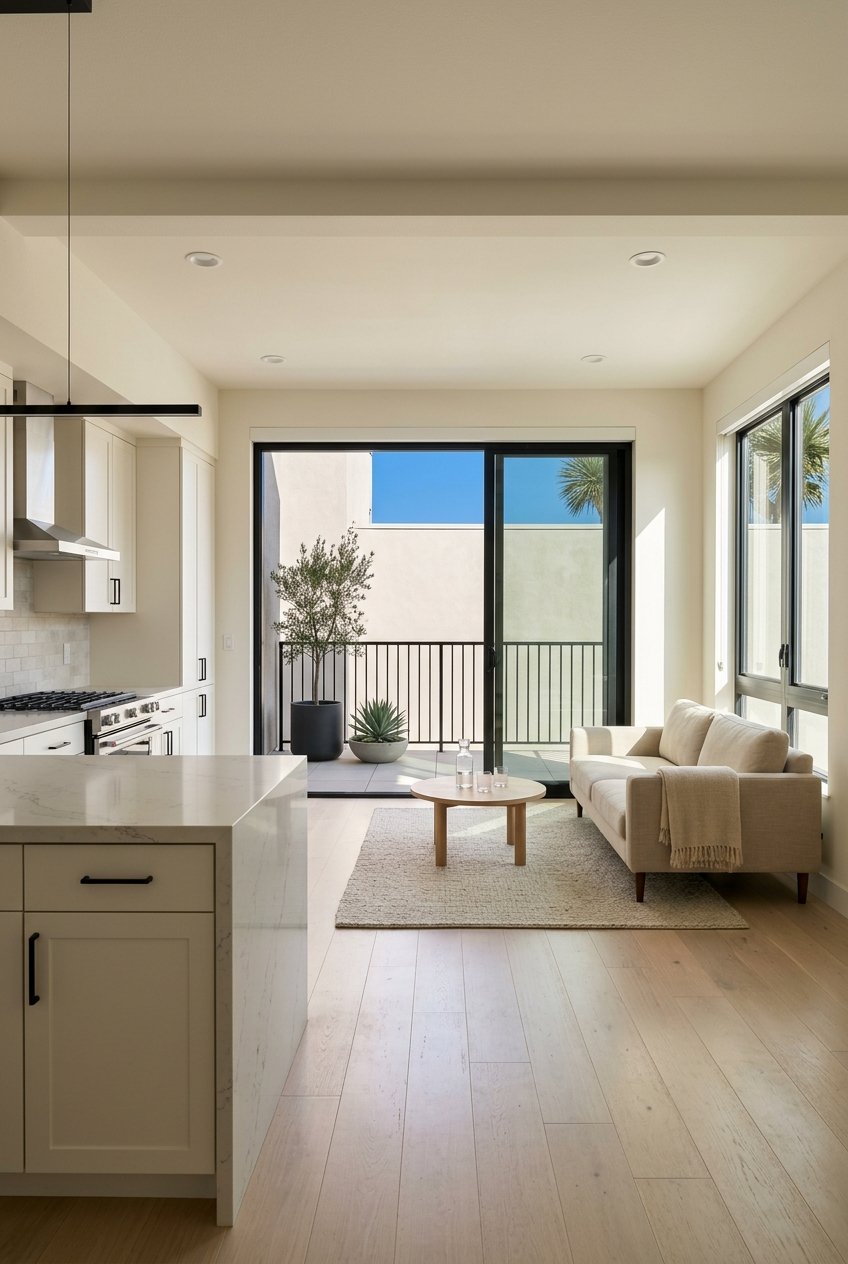
A midrange, minor kitchen update often offers one of the better resale returns versus a full remodel. Consider painted cabinets, updated hardware, modern lighting, and fresh counters rather than a full gut. Tie your choices to local comps and your price band.
Repair or replace worn flooring and ensure the HVAC and AC operate reliably. Comfort systems that work on day one help buyers feel confident about your home’s condition.
Focus first on the primary and main hall bath. Midrange updates to vanities, fixtures, and tile accents usually deliver better recoup than high-end overhauls.
A pre-listing home inspection can surface items worth fixing before launch and reduce mid-escrow renegotiations. California sellers also provide statutory disclosures and, when applicable, HOA documents. Laying this groundwork early helps you close on time. Review a California-specific checklist overview at Houzeo’s guide.
Price within a clear CMA band built from 3 to 6 recent closed comps in your neighborhood with similar beds, baths, square footage, and lot size. Consider these common strategies:
Work with your agent to set a launch price and a predefined adjustment plan based on first two-week feedback and showing activity.
Buyers start online, so lead with quality. Your listing should go live with professional photography, a clear floor plan, and if budget allows, a short video and 3D tour. Then engage both digital and in-person channels.
Plan a strong first 7 to 14 days. In spring, many sellers choose a Thursday go-live to capture weekend traffic. Track showings, online engagement, and feedback. If momentum is soft, adjust copy, media, or price quickly within the first two weeks.
If you need to secure your next home first, talk with your lender about short-term options. Bridge loans and HELOCs are common solutions, each with fees and rate tradeoffs. Get an overview in this bridge loan explainer.
If timing is tight near closing, a short seller rent-back can give you time to move after closing. Keep the period brief and document terms carefully so the buyer’s financing stays on track. See a concise overview of rent-backs in this seller rent-back guide.
Commissions are negotiated. Many sellers still budget around 5 percent total, but recent industry changes shifted how compensation is advertised and negotiated. Review negotiation tips and context here: How commissions are negotiated.
Los Angeles County collects a documentary transfer tax of $1.10 per $1,000 of sale price at the county level. Some cities add a municipal transfer tax. Diamond Bar has not historically added a city transfer tax, but confirm for your property with escrow or title. Learn more about transfer tax calculations in this California deed and tax overview.
Other seller-paid items vary but often include escrow fees, recording and lien releases, prorated taxes or HOA dues, and any negotiated credits or repairs. A general 1 to 3 percent range is common for these, depending on negotiation and local practice. Always confirm exact amounts with your escrow and title team.
If you qualify under IRS ownership and use tests, you may exclude up to $250,000 of gain if single or $500,000 if married filing jointly on the sale of a primary residence. Read the IRS guidance in Publication 523 and consult your tax professional for your situation.
You deserve a smooth, well-sequenced move that protects your time and your net. Our boutique, senior-led process pairs neighborhood-specific pricing, MLS-grade marketing, and firm negotiation with bilingual support in English and Mandarin. If you’re planning a move this spring or summer, let’s build your custom timeline, prep list, and launch plan. Connect with Mike Chen to get your free home valuation and a strategy session.
Stay up to date on the latest real estate trends.

We pride ourselves in providing personalized solutions that bring our clients closer to their dream properties and enhance their long-term wealth. We look forward to helping you find the home of your dreams. Please don't hesitate to call or email us today.