Deciding between a condo and a townhome in Playa Vista can feel like two good options pulling you in different directions. You want the right mix of manageable monthly costs, comfort, and daily convenience. This guide breaks down how HOA fees, Mello-Roos taxes, amenities, parking, stairs versus elevators, and pet and patio rules affect your budget and lifestyle. By the end, you’ll know what to look for, what to ask, and how to build a reliable monthly plan. Let’s dive in.
Playa Vista housing at a glance
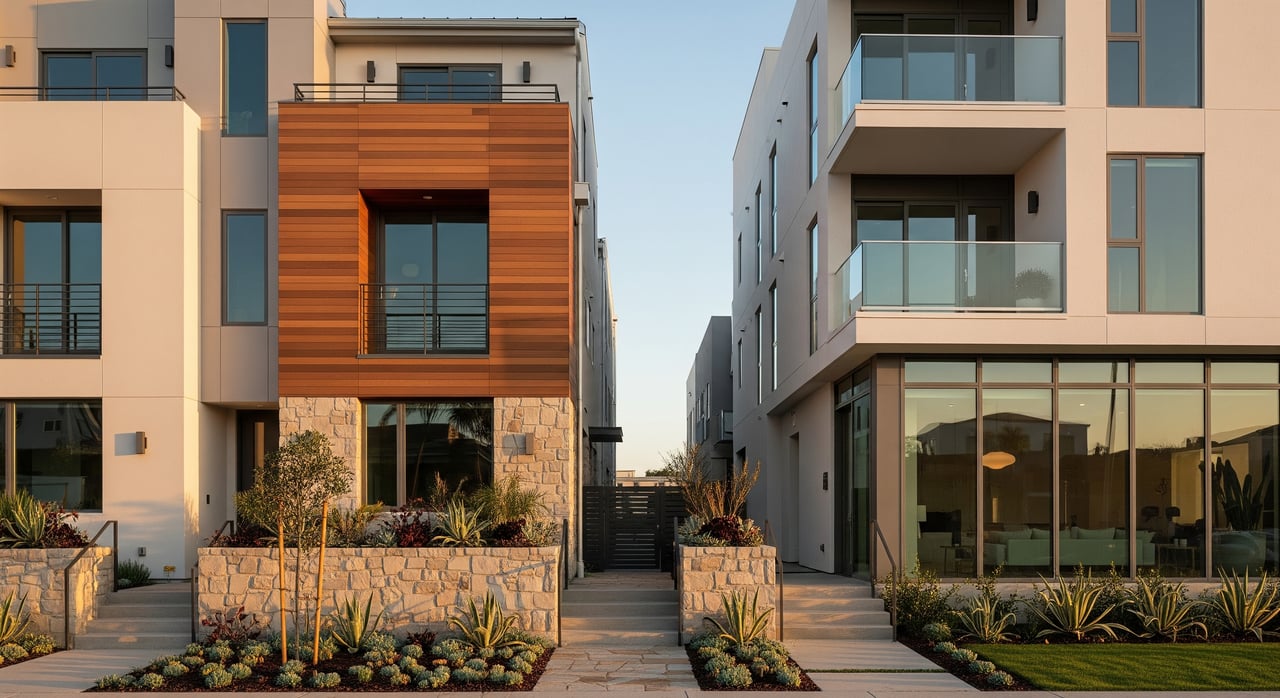
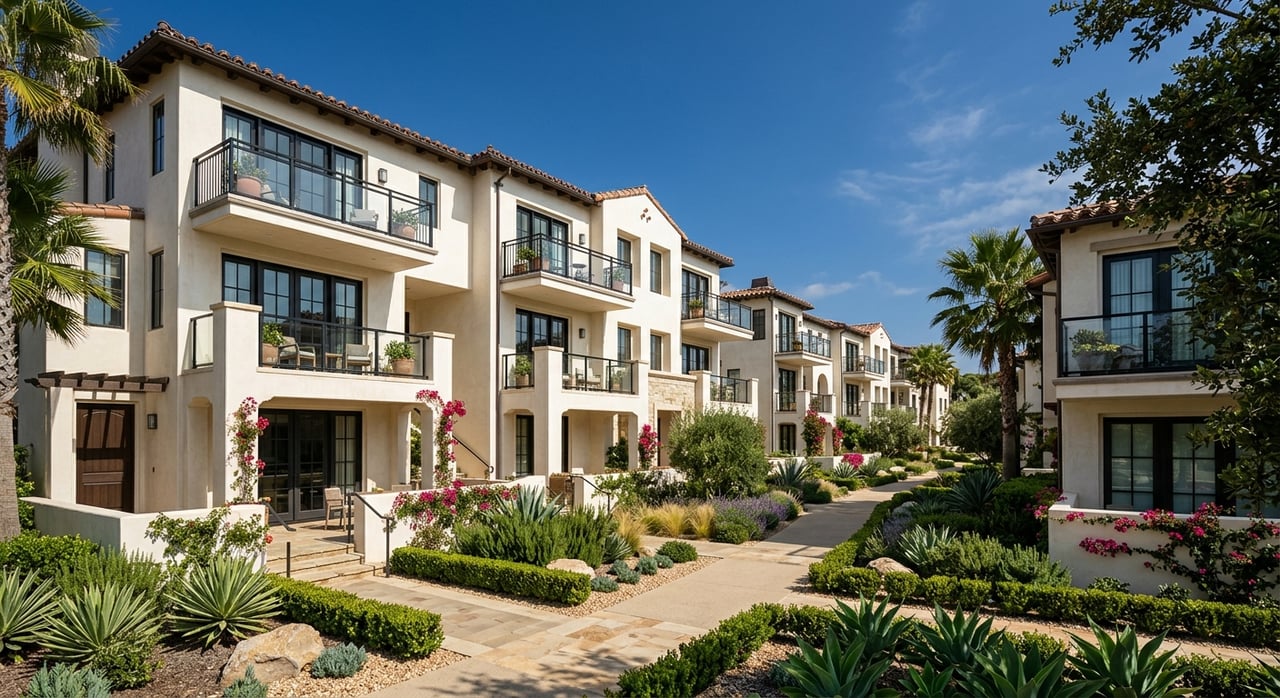
Playa Vista is a master-planned community on the Westside of Los Angeles with a wide range of homes. You will see mid and low-rise condos in elevator buildings and attached townhomes with private entries and garages. Different neighborhoods are governed by separate HOAs and a master association, so rules, fees, and amenities can vary.
Many properties carry special community assessments, often called Mello-Roos or CFD. These appear on the property tax bill and are separate from the HOA fee. Always verify the specific parcel’s bill to understand the full tax impact.
Cost comparison: what drives your payment
HOA fees: what they cover
Condo HOA fees often run higher when buildings include elevators and full amenities like pools, gyms, security, and concierge services. Townhome communities typically have fewer shared services, so the HOA fee can be lower, but you take on more maintenance.
HOA fees commonly include building exterior and roof care, landscaping, common area utilities, pool or gym upkeep, trash, master insurance for common elements, security, and management. They usually exclude your interior finishes, personal property, in-unit repairs, and premium internet or cable. Verify the “walls-in” versus “walls-out” coverage to understand who pays for what.
Taxes and special assessments
In Los Angeles County, the base property tax rate is roughly 1 percent of assessed value, plus parcel-specific assessments. In Playa Vista, Mello-Roos or similar special taxes are common. These charges vary by parcel and phase and are not part of your HOA fee. Review the current tax bill to see the total annual amount.
Insurance: condo vs townhome
Condo buildings carry a master policy for common areas and structure. You will typically buy an HO-6 policy that covers your unit’s interior and personal property. Townhome owners often need a dwelling policy that insures more of the structure. HO-6 policies are typically less expensive than full dwelling policies because the HOA master policy covers more of the building.
Utilities, parking, and storage
Some Playa Vista associations include water and trash. Others do not. Electricity, gas, and internet are almost always your responsibility. Parking setups differ by building. Condos may have assigned or tandem garage spaces, sometimes with storage lockers for a fee. Townhomes often include private 1–2 car garages with direct access and more storage.
Reserves and special assessments
Healthy reserves are a key indicator of an HOA’s financial stability. If a building has deferred maintenance or large upcoming projects like elevator modernization or roofing, owners may face a special assessment. Ask for recent meeting minutes and the latest reserve study to understand future costs.
Lifestyle tradeoffs that matter
Amenities and daily maintenance
- Condos: You often get more shared amenities and lower weekend chores because the HOA handles the big stuff. The tradeoff can be a higher monthly HOA fee and less private outdoor space.
- Townhomes: You typically enjoy a private entry, more storage, and a garage. HOA fees may be lower, but you may handle more maintenance and have fewer shared amenities, depending on the community.
Parking, storage, and EV readiness
- Condos: Expect assigned stalls in a garage, sometimes tandem or on lifts in denser buildings. Storage lockers may be included or fee-based. Check stall dimensions if you drive a larger SUV. EV charging is possible but often requires HOA approval and may be limited to designated areas or shared infrastructure.
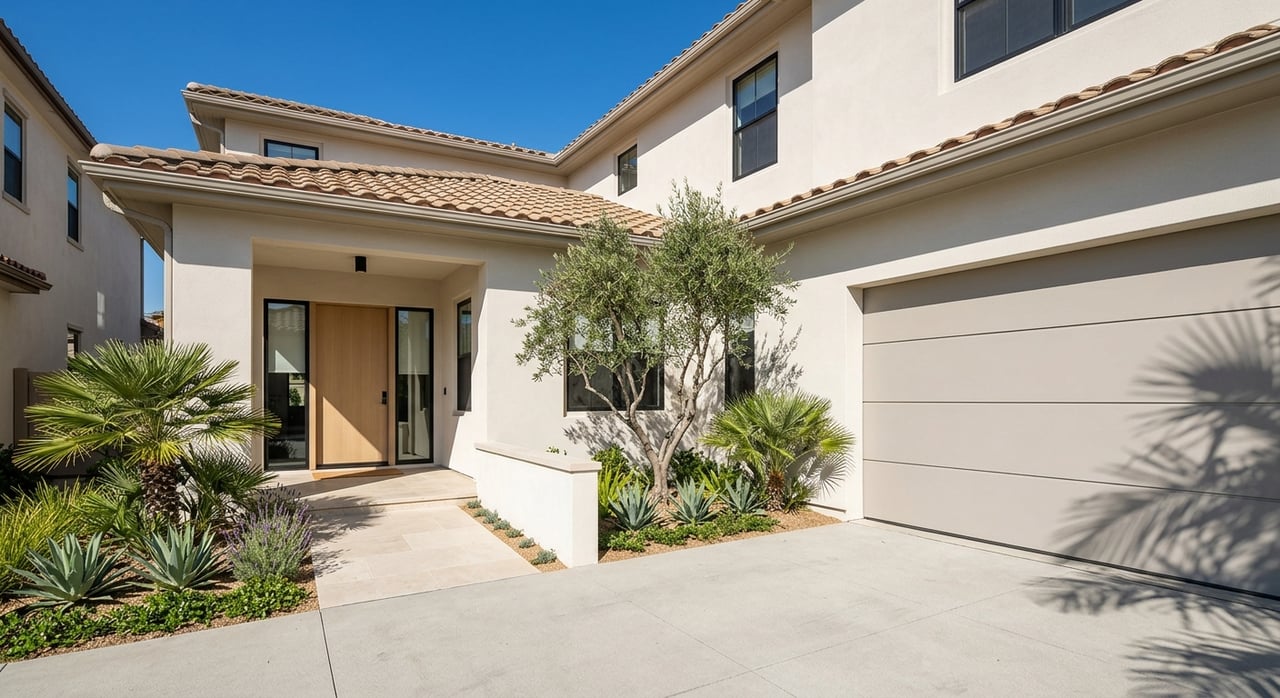
- Townhomes: Attached garages offer direct access, added storage, and more flexibility for EV charger installation. You still need HOA approval for alterations, but running a conduit can be easier when you control your garage space.
Elevator convenience vs stairs
- Elevator buildings help with accessibility, moving, and deliveries. They also add ongoing maintenance that is reflected in HOA fees. Some buildings require scheduling moves, elevator pads, and deposits.
- Townhomes often have internal stairs between levels. This can mean more privacy and lower shared costs, but stairs may be a challenge for mobility, young children, and moving furniture.
Pets and outdoor space
- Condos usually offer balconies and shared greenways. Pet rules vary by building and may include limits on number, size, or common area use.
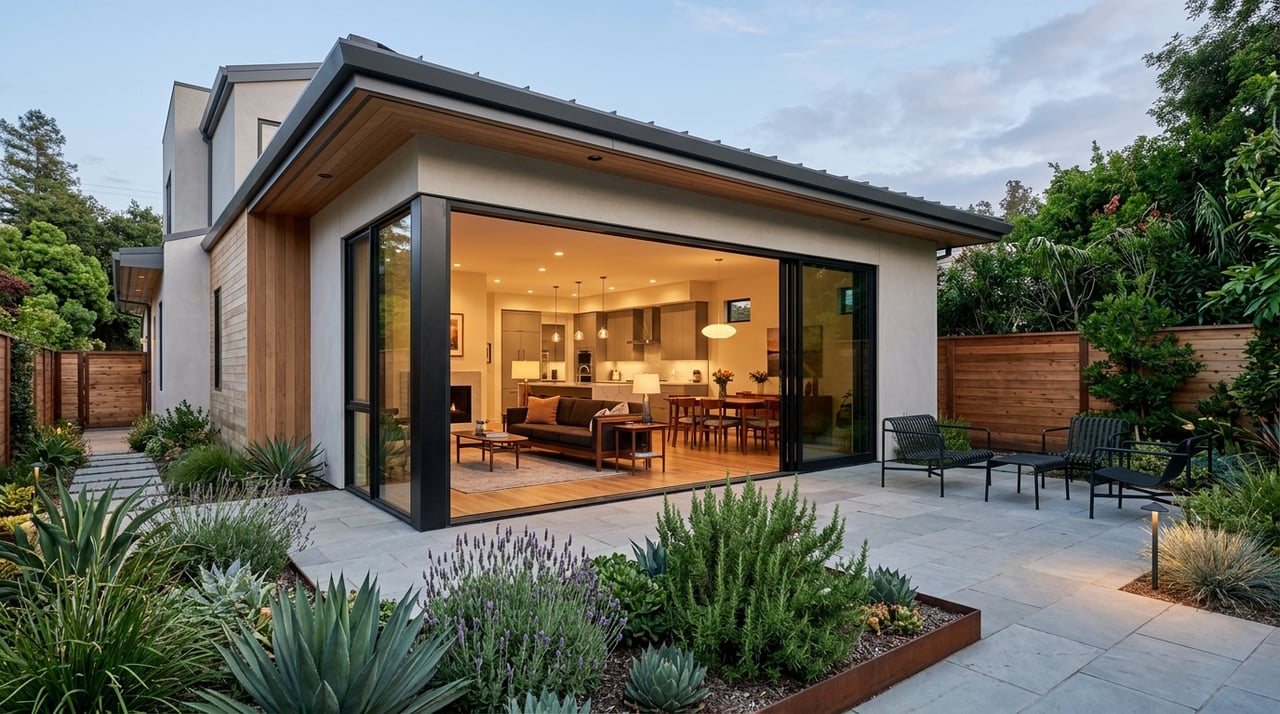
- Townhomes often provide private patios or small yards and sometimes rooftop decks. You still follow HOA rules for landscaping changes and pet policies. Always confirm pet deposits, breed or weight limits, and where you can walk dogs.
Quick Playa Vista cost worksheet
Use this checklist to build a complete monthly budget before you tour.
- Mortgage principal and interest
- HOA fee
- Property taxes: base rate plus parcel assessments divided by 12
- Mello-Roos or special district assessment: annual amount divided by 12
- Insurance: HO-6 for condos or a dwelling policy for townhomes
- Utilities: electricity, gas, water if not included, trash if not included, internet/cable
- Parking or storage fees if any
- Maintenance and repairs: consider a small monthly reserve (townhomes usually higher)
- HOA reserves or anticipated special assessment savings: add a buffer
Example template you can fill with your lender and agent:
- Mortgage P&I: $X
- HOA fee: $Y
- Property tax: [(assessed value × effective tax rate) + parcel assessments] ÷ 12 = $Z
- Mello-Roos/special tax: annual amount ÷ 12 = $M
- Insurance: $N
- Utilities: $U
- Monthly maintenance reserve: 0.25%–0.5% of purchase price ÷ 12 (townhomes on the higher end)
- Total monthly housing cost: sum of all items above
What to request before you offer
Must-have HOA documents
Ask your agent to obtain the full HOA resale disclosure packet required in California. Review these items carefully:
- HOA budget and financial statements
- Master and association insurance certificates
- CC&Rs, bylaws, and rules
- Reserve study and the past 12–24 months of meeting minutes
- Any current or recent special assessments
- Any pending or ongoing litigation
- Rental policies, pet rules, parking assignments, amenity schedules
- The current property tax bill showing all assessments, including Mello-Roos
Smart questions for the HOA or seller
- What does the monthly HOA fee include? Any utilities or internet?
- Are there current or planned special assessments? Timeline and amount?
- What is the reserve balance relative to the reserve study recommendations?
- Any litigation or construction defect claims?
- How are parking spaces assigned? Deeded or assigned, tandem, or lifts? Guest rules?
- EV charging policy and available infrastructure
- Move-in procedures and fees
- Pet rules: number, size, and common area restrictions
What to check on your tour
- Noise: common walls, street or retail proximity
- Elevator condition and service frequency in condo buildings
- Common areas: landscaping, pool, gym equipment, hallways, and signs of deferred maintenance
- Parking access and stall size; garage dimensions for townhomes
- Exterior finishes and roof condition where visible
- In-unit plumbing, drain speed, smells, and any visible water stains or cracks
Red flags to watch
- Low or no reserves, outdated reserve study, or visible deferred maintenance
- Repeated or large special assessments without clear plans
- Ongoing litigation involving the HOA
- Many delinquent HOA accounts or unusually high turnover
- Unclear responsibility for major items like roof, exterior, or elevator maintenance
- Complicated or impractical parking setups that do not match your daily needs
Next steps to decide with confidence
- Get pre-approved and set a maximum total monthly cost that includes HOA fees, property taxes, and likely utilities.
- Compare two properties side by side using the worksheet above. Include HOA and parcel assessments, not just price per square foot.
- Request the HOA packet and read the reserve study and minutes before you write an offer.
- Ask for the most recent property tax bill to confirm Mello-Roos or other special taxes.
- Speak with your lender about how HOA fees affect your debt-to-income ratio.
- If any rules or responsibilities are unclear, consult a local real estate attorney for guidance.
You do not have to navigate this alone. If you want a clear, step-by-step plan tailored to Playa Vista, reach out to Mike Chen and the Team Mike & Tasha crew. We bring a concierge approach, senior-level negotiation, and bilingual support in English and Mandarin to help you compare options and move with confidence.
FAQs
How do HOA fees differ for Playa Vista condos vs townhomes?
- Condos with elevators and full amenities typically have higher HOA fees, while townhomes often have lower fees but more owner maintenance. Always verify what your fee includes.
Are Mello-Roos taxes part of the HOA in Playa Vista?
- No. Mello-Roos or similar special district taxes appear on the property tax bill and are separate from the HOA fee. Review the current parcel’s tax bill to confirm the amount.
Who handles roof, exterior, and elevator repairs in Playa Vista HOAs?
- It depends on the CC&Rs. Many associations cover exterior, roof, and elevator maintenance through the HOA, but verify the “walls-in” versus “walls-out” responsibilities in the documents.
Can I install an EV charger in a Playa Vista condo or townhome?
- California law supports access to EV charging, but you must follow HOA rules. Expect an approval process and possible installation costs. Townhomes with private garages often have more flexibility.
What outdoor space and pet rules should I expect in Playa Vista?
- Condos typically offer balconies and shared greenways with pet limits that vary by building. Townhomes often have private patios or small yards, but you must follow HOA pet and landscaping rules.
What parking and storage setups are common in Playa Vista?
- Condos usually have assigned garage stalls, sometimes tandem or on lifts, with storage lockers available or fee-based. Townhomes often include attached garages with more storage and easier EV options.
What documents should I review before buying in a Playa Vista HOA?
- Request the HOA disclosure packet with financials, insurance, CC&Rs, rules, reserve study, recent minutes, details on assessments, rental and pet policies, parking assignments, and the current tax bill.