
June 18, 2026
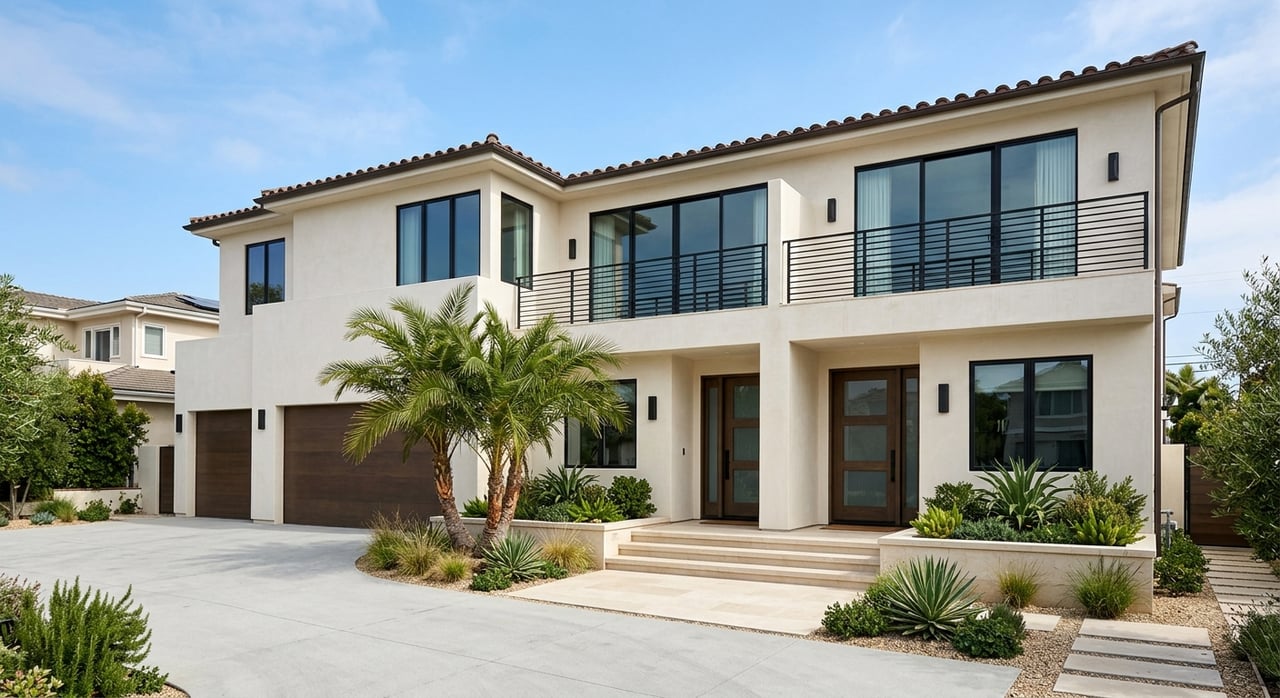
Thinking about buying in Newport Beach as a second home or investment property? This is one of those markets where the wrong assumption can get expensive fast. If you want a beach-close retreat, a long-term rental, or a property with short-term lodging potential, you need to understand local rules, carrying costs, and how the property will actually function day to day. Let’s dive in.
Newport Beach is not a typical investment market. It is a high-cost coastal market where many buyers are weighing lifestyle, long-term appreciation, and risk management alongside income potential.
That difference shows up in the numbers. Census QuickFacts lists median household income at $156,867 and median owner-occupied home value above $2,000,000. Zillow currently places the typical Newport Beach home value at $3,709,420, with 333 homes for sale and homes going pending in about 21 days.
In other words, you are usually not buying here because the entry price is low or because the monthly cash flow is easy. You are buying because Newport Beach offers a specific mix of coastal use, limited supply, and long-term market appeal.
Visitor demand is also part of the story. Visit Newport Beach says its 2024 to 2025 efforts helped generate more than $1.5 billion in visitor spending while continuing to position the city as a luxury coastal destination. That supports the appeal of well-located homes, especially for buyers considering personal use with some rental strategy in mind.
Before you run numbers, decide what you actually want the property to do for you. In Newport Beach, the best purchase decisions usually start with use case first and return second.
If you want a personal second home, your focus may be beach access, parking, maintenance needs, HOA rules, and flood exposure. If you want an income property, your focus shifts toward rent strategy, permit status, taxes, and operating restrictions.
That sounds simple, but it matters. A home that feels perfect for weekend use may be difficult to operate as a rental. A property that looks attractive on paper may lose its appeal once you factor in permit limits, parking friction, or flood-related costs.
For many buyers, the biggest question is whether a Newport Beach property can be used for short-term lodging. This is where local verification becomes critical.
The city defines short-term lodging as renting a residential unit for 30 consecutive days or less, including home sharing. According to the city, owners or agents renting in R-1.5, R-2, or RM zones must apply for a Short Term Lodging Permit and a business license.
There is another major issue. Newport Beach says the maximum number of active short-term lodging permits is 1,550, and no new permits are being issued right now until the number of active permits drops below that cap.
That makes existing permitted properties very different from unpermitted ones. The city also says a valid short-term lodging permit can be transferred, which means permit status can directly affect value, risk, and your future options.
Citywide rules are only the starting point. Newport Beach notes that specific plans can be more restrictive than the general standard, so you cannot assume eligibility based on a broad area alone.
You also need to check HOA rules. The city specifically advises owners in HOAs to review the CC&Rs before advertising or applying for permits. For you as a buyer, that means the short-term lodging strategy only works after checking zoning, permit status, transferability, and HOA restrictions together.
If you buy a permitted short-term lodging property, operations do not stop at closing. The city says annual renewals are due October 31 and require the renewal form, permit fee, UTOT form, and tax payment.
As of the current city fee schedule, the initial permit fee is $300 and the renewal fee is $336. Permit holders must also pay a 10% transient occupancy tax on the lease amount.
Enforcement is active. Newport Beach points owners to rules on noise, large parties, and unruly gatherings. The city also says SB 1383 waste compliance is enforced on-site, and citations can start at $1,000 per violation if guests fail to separate trash, recycling, and organics properly.
Some holiday periods can become even more expensive. The city says Safety Enhancement Zones in West Newport and Corona del Mar can triple fines for certain violations on specific holiday weekends.
If short-term lodging feels too restrictive, a long-term rental may look more straightforward. In some ways, it is. You avoid the short-term permit issue and the operating intensity that comes with guest turnover.
But you still need to be realistic about the numbers. Realtor.com reports a Newport Beach median rent of $4.9K with 743 rentals available. It also notes that rental counts rose 6.72% year over year while median rent declined 10.45%.
Neighborhood-level rental pricing varies widely. Realtor.com reports median rents of $3,264 in Park Newport, $6,997 in Newport Coast, and $11,900 in Corona del Mar.
The main takeaway is that Newport Beach is a segmented rental market. Some areas can support much higher rents than others, but the purchase price is still high enough that many deals are driven more by personal use and long-term value than by immediate cash flow.
In Newport Beach, carrying costs deserve the same attention as the purchase price. This is especially true for second homes and investment properties, where small underwriting mistakes can become expensive over time.
Orange County says property taxes are calculated by multiplying taxable value by the area tax rate. That rate includes the 1% basic levy plus any bonded indebtedness, special assessments, or Mello-Roos assessments.
The county says its average property tax rate is about 1.1% of taxable value, though it varies by area. Secured tax bills are mailed in September and due in two installments on November 1 and February 1.
You should also expect a supplemental tax bill after closing if the purchase triggers reassessment. Orange County says supplemental taxes are often not collected in escrow, and the bill is generally mailed after escrow closes and prorated from the transfer date to the end of the tax year.
If this will not be your principal residence, do not count on the homeowners’ exemption as a meaningful offset. Orange County says the exemption applies to an owner who owns and occupies a principal residence on January 1.
The exemption reduces assessed value by $7,000, which is modest even for a primary residence. For a second home or investment property, it is usually not part of the underwriting picture.
Flood risk is one of the most important coastal issues in Newport Beach. The city says FEMA flood maps are used by lenders, and federal law requires flood insurance for federally backed loans in designated severe flood hazard zones.
The city also notes that FEMA is updating maps and that proposed changes place thousands of properties in flood hazard zones. Newport Beach’s sea-level-rise appendix adds that even six inches of sea-level rise may negatively affect low-lying areas around Newport Bay, especially where there are no bulkheads or seawalls.
For you, that means flood exposure is not just a technical issue. It can affect financing, insurance costs, future resale, and your comfort level with long-term ownership.
A property can look great online and still be hard to live with or rent out. Newport Beach’s visitor appeal is strong, but practical details matter.
The city says Newport Beach includes more than eight miles of beaches. It also notes that beach and parking areas are first come, first served, with many lots charging seasonal and holiday rates and no reserved parking in the lots.
That supports steady visitor traffic, but it can create friction for a property that depends on easy guest access. If you are comparing homes, pay attention to off-street parking, neighborhood congestion, and how smooth arrivals will be for you, your family, or future tenants.
In a market like Newport Beach, conservative underwriting is usually the better path. You want to know what the property can realistically do, what it will cost to hold, and what restrictions come with ownership.
Here is a practical checklist to use when evaluating a second home or investment purchase:
In Newport Beach, good opportunities are rarely about finding a bargain purchase price. More often, they come from buying the right property for the right purpose and confirming the local details before you commit.
A permitted short-term lodging property may carry a very different risk profile than a nearly identical home without a permit. A beautiful second home near the water may come with flood or insurance considerations that change your comfort level. A long-term rental may be easier to manage, but still not pencil the way you expected at a $3 million-plus price point.
That is why process matters. When you evaluate Newport Beach carefully, you can make a decision based on facts, not assumptions.
If you are weighing a second home or investment purchase in Newport Beach, working with a team that understands Orange County market nuance, property positioning, and local due diligence can save you time and costly mistakes. When you are ready to talk strategy, connect with Mike Chen for a clear, concierge-style approach.
Stay up to date on the latest real estate trends.




We pride ourselves in providing personalized solutions that bring our clients closer to their dream properties and enhance their long-term wealth. We look forward to helping you find the home of your dreams. Please don't hesitate to call or email us today.